What to Expect: 15 Weeks Pregnant Symptoms and Body Changes

Common advice suggests the second trimester is a smooth ride—and for many, it is easier than the first. Yet the reality is more nuanced. At 15 weeks pregnant, comfort improves in some areas while new sensations arrive without warning. Understanding 15 weeks pregnant symptoms requires focusing on patterns and practical management. The goal is straightforward: understand what is typical, recognise warning signs, and adjust habits so the body can do its work. This is when pregnancy symptoms shift from queasy and unpredictable to structural and measurable. Here is what that transformation looks like in practice.
Common Symptoms at 15 Weeks Pregnant
Round Ligament Pain
One of the most distinctive 15 weeks pregnant symptoms is round ligament pain—a quick, tight pull in the lower abdomen or groin that appears with sudden movement or an awkward twist. As the growing uterus expands, the paired ligaments stretch, producing sharp twinges or a dull ache that can settle quickly. This sensation is dramatic yet short-lived, essentially the body making more room for growth.
Typical triggers include:
- Standing up quickly
- Rolling in bed
- A brisk laugh
- A sudden sneeze or cough
The pattern is usually brief, one-sided or alternating, and worse after sudden moves. Relief comes through slow transitions, gentle hip flexor stretches, and supportive belly bands. However, if pain is severe, persistent, or accompanied by bleeding, medical evaluation is necessary. It is important to differentiate this from cramping that locks the body in place—that deserves assessment. Round ligament pain during pregnancy can occur on one or both sides depending on the day and posture, which is reassuring for most.
Moolchand's Obstetrics & Gynaecology specialists provide expert guidance on managing round ligament pain and other structural changes during this stage, ensuring proper positioning and safe relief strategies.
Increased Energy Levels
Many experience a lift in energy around 15 weeks. Nausea eases, sleep improves, and daily tasks feel lighter. This is one of the more welcome 15 weeks pregnant symptoms, yet it can mask overexertion. The key is adding movement gradually while protecting recovery. Short walks, light strength work, and mobility drills build a stable base for later months. This is not the time for sudden training plans or dramatic activity increases—rather, steady, sustainable movement.
Nasal Congestion and Nosebleeds
Stuffy nose without actual illness is common at this stage. Increased blood flow and mucosal swelling lead to congestion and occasional nosebleeds. Management is straightforward: hydration, a cool room, and saline sprays help significantly. A bedside humidifier is helpful if air is dry. If nosebleeds are frequent or heavy, discussion at the next appointment is warranted. This is one of those 15 weeks pregnant symptoms that feels minor yet interrupts sleep and daily comfort. Small changes in routine—like maintaining humidity and hydration—reduce irritation substantially.
Heartburn and Indigestion
Heartburn tends to flare as digestion slows and the uterus rises. Most notice it more after large, late meals or spicy, acidic dishes. Practical steps provide quick relief:
- Eating smaller, earlier meals with upright posture after eating
- Choosing baked over fried foods, and citrus in moderation
- Wearing loose clothing around the waist to reduce pressure
This is one of the 15 weeks pregnant symptoms that responds exceptionally well to routine adjustments. Antacids may be appropriate in some cases, but options should be confirmed with a clinician. If heartburn worsens or is combined with vomiting or weight loss, medical review is essential.
Moolchand's Dietetics & Clinical Nutrition specialists can provide personalized nutritional guidance to manage heartburn, indigestion, and overall dietary needs during the second trimester.
Headaches and Dizziness
Headaches at 15 weeks vary considerably. Some improve compared with the first trimester, while others linger. Migraines often lessen for many people as pregnancy progresses, though new or severe headaches warrant evaluation due to possible blood pressure changes. Dizziness can follow long gaps between meals, dehydration, or standing up too quickly. Pacing position changes and keeping water and snacks nearby helps significantly.
Prevention strategies:
- Regular meals at consistent times
- Steady fluid intake throughout the day
- Controlled transitions from sitting to standing
Sudden, severe headaches or visual changes require urgent care. Among 15 weeks pregnant symptoms, this set demands the most attention to context and pattern tracking.
Increased Vaginal Discharge
More discharge is typical as hormones rise and blood flow increases. Normal discharge tends to be thin and milky with no strong odour. Yellow or green discharge, or a strong odour, can suggest infection requiring review. Breathable underwear and avoiding scented products help. If anything changes quickly in colour, odour, or consistency, medical check-in is appropriate. This common 15-week pregnant symptom serves as a useful early signal of potential issues.
Physical Body Changes During Week 15
Growing Baby Bump
The bump starts to show more reliably around this point. Clothing fits differently and posture adjusts. This structural change requires better core and glute engagement. Gentle pelvic tilts, supported side-lying rest, and mindful lifting techniques protect the back. Visible growth is not a competition—it reflects anatomy, height, muscle tone, and individual variation equally. The growing bump explains many 15 weeks pregnant symptoms that revolve around stretching and pressure.
Weight Gain and Nutrition
Weight gain accelerates in the second trimester, though pace varies widely. Focus should be on nutrient density rather than scale numbers alone. Balanced meals, steady protein intake, and regular fibre support energy and digestion. If weight gain feels too fast or too slow, discussion with a midwife or doctor helps identify any needed adjustments. Small course corrections made early are easier to manage. Managing weight at this stage also reduces several 15 weeks pregnant symptoms linked to reflux and fatigue.
Moolchand's Mother's Nest programme offers integrated nutritional and wellness support designed specifically for second trimester needs and weight management.
Weight gain patterns:
- Gradual weekly increases are typical in the middle trimester
- Focus on quality calories, hydration, and consistent meals rather than strict targets
- Discuss large swings, appetite loss, or persistent nausea at appointments
Skin Changes and Pigmentation
Pregnancy skin changes often include darkening of the areolas, a linea nigra (faint line) on the abdomen, and patches of pigmentation on the face (chloasma). Supporting the skin barrier with emollient moisturisers and daily sunscreen is essential. Gentle formulas reduce irritation risk. If pigmentation appears, consistent sun protection matters more than quick fixes. Itchy skin in pregnancy may affect sleep, so maintaining a regular moisturising routine provides outsized benefits for comfort.
Breast Changes
Breasts continue to enlarge and feel fuller as ducts develop and blood flow increases. Some sensitivity remains, making a better-fitting bra essential for comfort. Darkening of the areola and more visible veins are typical. Colostrum may appear later in the second trimester. These shifts track closely with endocrine changes supporting lactation. A soft, supportive sleep bra helps during this phase. Many 15 weeks pregnant symptoms share this quality: ordinary, noticeable, and manageable with small adjustments.
Hair and Nail Growth
Hair may seem thicker and nails can grow faster due to altered shedding cycles and increased circulation. Keeping routines simple avoids scalp or nail irritation. If introducing new products, adding one at a time and watching for reactions is wise. This is a low-effort win in a month that can otherwise feel crowded with changes.
Visible Veins
Veins on the breasts, legs, and hands may look more pronounced as circulatory volume increases and tissues stretch. Elevating legs after long days and using compression if recommended helps. Walking supports venous return without strain. If a vein becomes hot, tender, or very painful, medical review is warranted. Otherwise, this is a cosmetic change that usually softens after birth—another 15 weeks pregnant symptom that rarely needs more than routine care.
Managing Discomfort Safely
Relief for Round Ligament Pain
Support and pacing form the foundation. Transitioning slowly between positions and bracing the abdomen with hands when coughing or sneezing helps. Simple mobility relieves tension:
- Cat-cow stretches on hands and knees for gentle spinal and pelvic movement
- Hip flexor stretches with short holds and no bouncing
- Side lying with a pillow between knees to offload the pelvis
A soft belly band can reduce jolts during walks. Heat packs help short episodes with moderate application. If pain escalates, shifts sides with new intensity, or is paired with bleeding, contacting a clinician is important.
Treating Itchy Skin Safely
Start with the skin barrier using lukewarm showers, fragrance-free cleansers, and rich moisturisers twice daily, especially after bathing. Cotton clothing and a cool bedroom limit irritation. Avoiding aggressive scrubs and strong actives is essential. If itch persists or becomes intense on the hands and feet, testing and medical review are appropriate. That pattern deserves assessment.
Warning Signs Requiring Medical Attention
Most 15 weeks pregnant symptoms are benign. A few warrant prompt evaluation. Contact a doctor or midwife immediately for:
- Severe abdominal pain, persistent cramping, or bleeding
- Fever, foul-smelling discharge, or sudden changes in discharge colour
- Severe headaches, visual changes, or swelling of the face or hands
- Chest pain, shortness of breath, or a hot, tender leg vein
These do not appear frequently, but swift action matters when they do. The threshold for calling is intentionally low by design. Peace of mind is part of good care.
Essential Prenatal Care at 15 Weeks
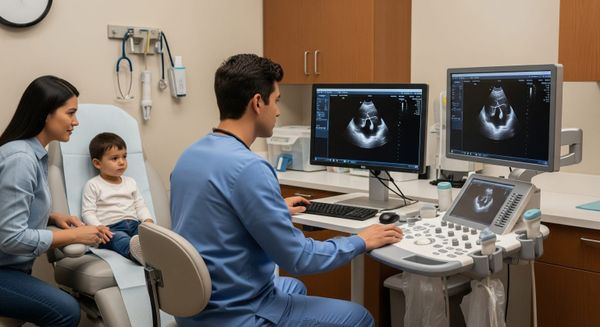
Moolchand's comprehensive prenatal care programme ensures all mid-trimester assessments are scheduled appropriately. This is a sensible time to confirm the schedule for mid-trimester scans and routine blood tests. Keeping a short list of appointment questions helps maximise each visit. Sleep, nutrition, and exercise deserve priority discussion. Reviewing supplements, particularly folic acid and vitamin D, for ongoing appropriateness is important. Dental care also deserves attention now, as gum changes can escalate quietly. Aligning these details early helps manage 15 weeks pregnant symptoms and reduces avoidable friction later.
Moolchand Women's Institute provides holistic second trimester support, addressing physical changes, emotional wellbeing, and practical management strategies throughout this transformative period.
Embracing Your Second Trimester Journey
The second trimester is often a steadier chapter. Energy builds, daily life feels more manageable, and 15 weeks pregnant symptoms tend to be more manageable than first trimester challenges. Treat this period as a training ground for the third trimester. Refine routines rather than overhaul them, and maintain room for rest. The signal to follow is how the body recovers—that determines what to add or remove. This is also the right window to plan support at home and work. Such planning reduces stress, which naturally reduces many second trimester pregnancy symptoms. The goal is not perfection but sustainable momentum.
Frequently Asked Questions
Is it normal to feel no movement at 15 weeks pregnant? Yes. Many do not feel definitive movement until several weeks later. Early flutters are subtle and easy to miss. An anterior placenta may cushion sensation. Movement is not a reassurance tool this early; regular checks and routine care are better markers. This sits within typical 15 weeks pregnant symptoms and should not cause alarm.
Why is my skin so itchy during pregnancy? Stretching skin, shifts in hydration, and barrier changes all cause itch. Fragrance-free moisturisers, breathable fabrics, and cooler rooms help significantly. If itch is severe or mainly on palms and soles, medical review is warranted. Many cases improve with simple measures alone.
Can round ligament pain occur on both sides? Yes. It can alternate sides or feel bilateral depending on movement and posture. Brief pain that settles is typical. Severe, constant pain or pain paired with bleeding requires urgent evaluation.
What second trimester symptoms should I expect next? Many notice steadier energy levels, more discharge, and occasional heartburn. Skin pigmentation may deepen, veins look more visible, and mild swelling can occur later in the trimester. Routine movement, hydration, and consistent sleep prepare well for these changes.
Is cramping at 15 weeks pregnant normal? Mild, short cramps from uterine growth and ligament stretching are normal. Hydration and rest usually help. Persistent, severe, or rhythmic cramps require prompt assessment. Within the usual spectrum of 15 weeks pregnant symptoms, mild cramps that pass are expected.
When will morning sickness completely stop? Nausea often improves in the early second trimester, but timing varies. Some feel relief now; others need a few more weeks. Small, frequent meals and steady fluids help during transition. If vomiting persists or weight drops, requesting a review is appropriate.
Schedule Your 15-Week Prenatal Appointment
Ready to discuss your second trimester progress and address any 15 weeks pregnant symptoms?
- Book an appointment with our obstetrics team for comprehensive prenatal care
- Request instant consultation for immediate answers to pregnancy questions
- Contact us for information about second trimester programmes and support
Disclaimer: This guide is educational and based on clinical experience. Individual pregnancy presentations vary significantly. Always consult qualified healthcare professionals for personalised assessment, symptom evaluation, and management. Moolchand Healthcare provides comprehensive prenatal care with expert guidance throughout your second trimester and beyond