Trimester-Wise Pregnancy Diet Plan
Introduction: Beyond "Eat for Two"
Conventional pregnancy nutrition advice oversimplifies maternal dietary needs. The slogan "eat for two" collapses under scrutiny because it ignores the distinct nutritional priorities of each trimester. A precise, trimester-wise pregnancy diet plan supports maternal energy, fetal growth, and long-term health far more effectively than blanket calorie loading. This guide translates evidence-based nutrition into practical, culturally relevant meal strategies that work in real life—not just in theory.
Trimester-Specific Nutrition Framework
First Trimester: Nausea Management & Folate Foundation
The first trimester presents a unique challenge: appetite fluctuates wildly while nutritional demands increase. The solution is structured, small, frequent meals (breakfast, mid-morning snack, lunch, evening snack, light dinner) to stabilize blood sugar and manage nausea.
Core nutritional targets:
- Folate – Critical for fetal neural development; found in spinach, beans, peas, citrus, and fortified grains
- Protein – Light portions at each meal from eggs, tofu, and dal
- Hydration – Steady fluid intake throughout the day
Practical approach: Focus on "easy wins" like fortified cereals, dal with rice, spinach-chickpea sabzi, and yoghurt. Avoid heavy, spicy, or oily foods that worsen nausea. Small, bland snacks (dry crackers, toast, banana, idli) upon waking help, as do ginger tea and lemon water.
Expert guidance on managing morning sickness and early pregnancy nutrition is available through Moolchand's Obstetrics & Gynaecology team, led by senior specialists with decades of maternal health experience.
Second Trimester: Growth Support & Nutrient Synergy
Appetite typically improves in the second trimester, allowing for increased nutritional intake. This is the growth phase—shift from nausea management to fetal development support.
Key dietary adjustments:
- Increase protein and calcium intake substantially
- Introduce iron-vitamin C pairings (e.g., chana with lemon) for optimal absorption
- Add one extra high-protein snack daily
- Rotate oily fish or plant-based omega-3 sources (flax, chia) where culturally appropriate
- Modest portion increases, but quality remains prioritized over quantity
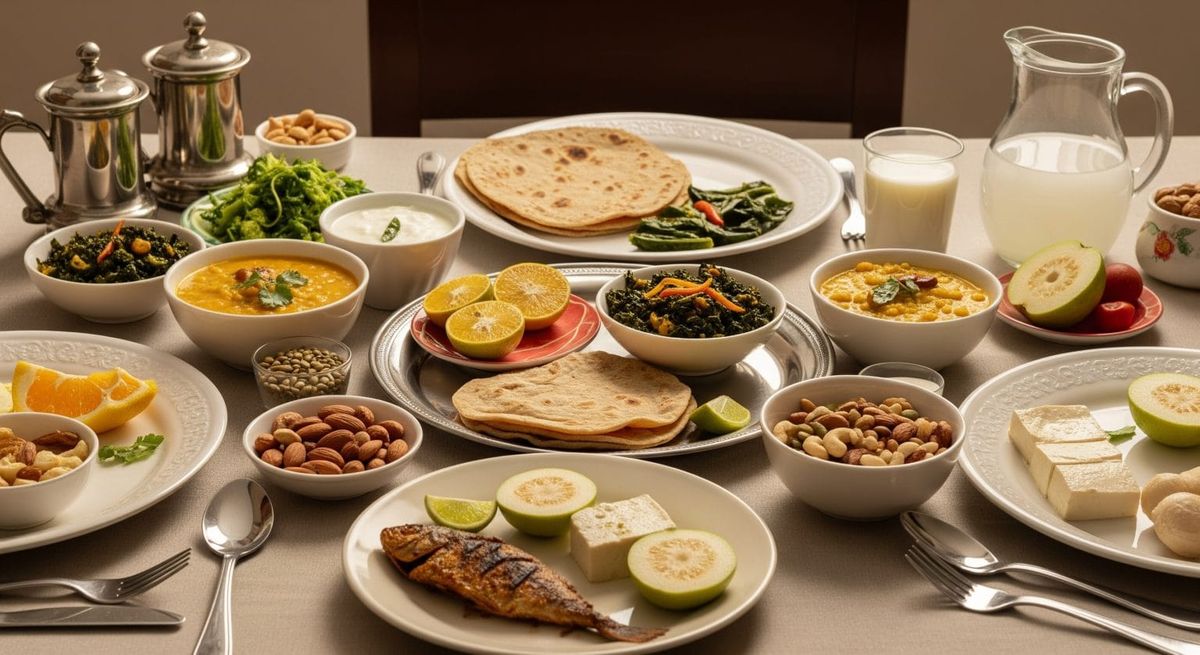
Sample meals: Besan chilla with paneer, rajma and rice with lemon wedge, grilled fish or tofu with beetroot-carrot poriyal. Protein targets should anchor every main meal plus one dedicated protein snack.
Third Trimester: Managing Discomfort & Final Preparation
In the third trimester, combat reflux, constipation, and night cramps by shifting to smaller, more frequent, earlier meals. Double down on fibre, magnesium, and calcium while maintaining steady protein intake.
Strategic changes:
- Early dinner (before 7 PM) with light pre-bed snacks if needed
- Lean protein, soft textures, cooked vegetables, gentle spices
- Extra glass of milk or fortified plant milk daily
- Monitor salt intake to limit swelling and water retention
Sample meals: Oats porridge with banana and chia, chana dal with jeera rice, vegetable soup with soft roti, spinach-tofu stir-fry.
Comprehensive antenatal care and pre-delivery counselling through Moolchand Mother's Nest prepares expectant mothers for safe, comfortable childbirth with dedicated birthing suites and expert neonatal care.
Essential Daily Nutrients Across All Trimesters
Seven core nutrients sustain healthy pregnancy across all three trimesters:
- Folate – Neural tube development; spinach, beans, peas, citrus, fortified grains
- Iron – Red blood cell support; chana, rajma, lean meats, sesame (pair with lemon or amla for absorption)
- Calcium – Fetal bone development; milk, curd, ragi, tofu, sesame, fortified plant milks
- Protein – Maternal and fetal tissue growth; dal, eggs, dairy, soy, fish, lean poultry, nuts
- Omega-3 – Fetal brain and eye development; oily fish, flax, chia, walnuts
- Fibre – Gut health and constipation prevention; whole grains, fruits, vegetables, pulses
- Fluids – Circulation and digestion; water, buttermilk, soups, coconut water
The simplest implementation tool is the Plate Model: fill half your plate with cooked vegetables, a quarter with protein (dal, paneer, eggs, fish), and a quarter with whole grains (rice, roti, millets). This visual guide removes guesswork and ensures balanced nutrition at every meal.
Weight Gain: Progress Over Perfection
Weight gain should follow a steady, trimester-based pattern aligned with clinical advice—not chase weekly numbers:
- First trimester: Minimal change; sometimes slight loss with nausea (acceptable)
- Second trimester: Gradual, consistent increases as appetite improves
- Third trimester: Continued steady gain, then plateau close to term
Focus on nutrient density rather than calorie counting. Discuss individual targets with your healthcare provider, as needs vary based on pre-pregnancy weight, activity level, and health conditions.
Non-Negotiable Food Safety: What to Avoid
Pregnancy immune suppression increases vulnerability to foodborne pathogens. These foods carry avoidable risk:
High-Risk Raw Foods: Raw or undercooked eggs, runny yolks, raw sprouts, undercooked meats, unwashed produce, pre-cut fruit left unrefrigerated. Safe practice: Cook eggs until whites and yolks are firm; reheat leftovers thoroughly.
Unpasteurized Dairy: Unpasteurized milk, soft cheeses from raw milk, inadequately boiled homemade dairy. Safe choice: Pasteurized products from reputable sources; yoghurt and hard cheeses are safe.
High-Mercury Seafood: Large predatory fish carry higher mercury levels. Better option: Small oily fish (salmon, sardines), flax, chia; keep fish portions moderate.
Processed Meats: Variable handling risks and preservatives. Cleaner route: Freshly cooked lean meats or legumes.
Excess Caffeine & Alcohol: All alcohol is excluded; limit caffeine to earlier times only. Alternative: Pregnancy-safe herbal infusions.
Street Food: Unpredictable hygiene and raw sauces. Safer choice: Freshly cooked, piping-hot dishes; skip raw salads when eating out.
Evidence-based food safety counselling integrated with maternal-fetal health monitoring is provided by Moolchand's Fetal Medicine Centre, ensuring both mother and baby receive comprehensive protection.
Building Your Healthy Pregnancy Diet
Vegetarian Protein Strategy
Reliable vegetarian protein is entirely achievable. Rotate dal, rajma, chana, soy chunks, tofu, paneer, curd, quinoa, nuts, and seeds. Combine pulses with grains for complete amino acid profiles. Spread protein across meals rather than relying on single large portions.
Iron Absorption Optimization
Pair iron sources (legumes, leafy greens, sesame, lean meats) with vitamin C (lemon, tomato, amla). Keep tea and coffee at least 60 minutes away from iron-rich meals—caffeine dulls absorption. Use iron-fortified cereals on busy mornings. This simple timing optimization delivers disproportionate gains in energy and maternal well-being.
Calcium Beyond Dairy
Dairy isn't the only source. Use ragi, sesame, soy, tofu, leafy greens, almonds, and fortified plant milks. Pro tip: Separate high-calcium meals from iron supplements to reduce absorption competition.
Folate-Rich Indian Foods
Folate is abundant in daily Indian staples: spinach, methi, moong, chana, peas, drumstick leaves, citrus fruits. Fortified atta and breakfast cereals also help. Fold these into a consistent plan, not sporadic bursts.
Personalized nutrition planning aligned to your dietary preferences, cultural background, and health needs is available through Moolchand's Dietetics & Clinical Nutrition specialists, who create tailored meal plans for optimal maternal and fetal outcomes.
Special Case: Gestational Diabetes Management
Gestational diabetes requires precise carbohydrate-protein-fibre balance at every meal. Use the Plate Model for Blood Glucose Control:
- Half plate: Non-starchy vegetables
- Quarter plate: Lean protein
- Quarter plate: Measured whole grains
Key strategies: Avoid juices and sweetened drinks. Space meals every 3 hours. Test, record, and adjust portions with clinician guidance.
Specialized gestational diabetes management with integrated nutrition counselling and glucose monitoring is offered by Moolchand's Endocrinology team through diabetic management system reducing complications for both mother and baby.
Practical Implementation: Meal Frequency & Hydration
Meal pattern: 3 structured meals + 2–3 snacks, adjusted for appetite and nausea. If nausea is present, eat every 2–3 hours to prevent blood sugar dips. Front-load daytime calories if reflux worsens at night.
Hydration targets: Aim for clear urine most of the day—typically 8–10 glasses daily (more in heat). Spread intake throughout the day to avoid reflux at night. If plain water is unappealing, rotate buttermilk, soups, infused water, or coconut water.
Sample Daily Menus by Trimester
First Trimester: Poha with peas, moong dal with spinach sabzi, roasted chana snacks, soft khichdi with vegetables—all designed for nausea management and steady energy.
Second Trimester: Besan chilla with paneer, rajma and rice with lemon, grilled fish or tofu with beetroot-carrot poriyal—protein-anchored meals supporting fetal growth.
Third Trimester: Oats with banana and chia, chana dal with jeera rice, vegetable soup with soft roti—lighter, earlier meals managing reflux and constipation.
Mindset: Progress, Not Perfection
Missed meals occur. Preferences shift. Some days are simply hard. The job is to return to the plan with calm consistency. Build a 2-week meal rotation you actually enjoy. Use a shared shopping list. Pre-portion snacks. Keep safe takeout options listed. That is how a healthy pregnancy diet survives the real world.
Moolchand Healthcare: Comprehensive Pregnancy Care
Moolchand has pioneered women's health for over 90 years. Our integrated approach combines expert obstetrics, fetal medicine, nutrition counselling, and neonatal care:
Key Centres & Specialists:
- Mother's Nest – Boutique birthing centre with neonatal ICU
- Obstetrics & Gynaecology – Senior specialists including Dr. Manju Hotchandani (30+ years), Dr. Indu Khatri, and experienced consultants
- Fetal & Genetic Medicine Centre – Advanced monitoring and diagnostics
- Dietetics & Clinical Nutrition – Personalized nutrition planning
- Endocrinology – Diabetes Management Program – Gestational diabetes care
📞 Connect with us:
- Book Appointment: https://moolchandhealthcare.com/book/appointment
- Instant Consultation: https://moolchandhealthcare.com/book/instant-consultation
- Contact Us: https://moolchandhealthcare.com/contactus
Disclaimer
Educational purposes only. Consult your obstetrician or registered dietitian before making significant dietary changes during pregnancy. Individual needs vary based on medical history and pregnancy complications. Moolchand Healthcare is available for personalized guidance aligned to your unique clinical and nutritional needs.