PCOS Treatment Simplified: A Comprehensive Guide to Finding the Right Specialist and Managing Your Care
Polycystic Ovary Syndrome (PCOS) is one of the most common endocrine disorders affecting women of reproductive age, yet it remains significantly underdiagnosed and mismanaged. Standard advice—lose weight, take a multivitamin—is not a treatment plan; it's a placeholder for inadequate care. A structured approach to PCOS management begins with finding the right specialists, establishing clear diagnostic criteria, and coordinating a multi-disciplinary team to address hormonal, metabolic, fertility, and cosmetic aspects simultaneously.
Understanding Your PCOS Care Team
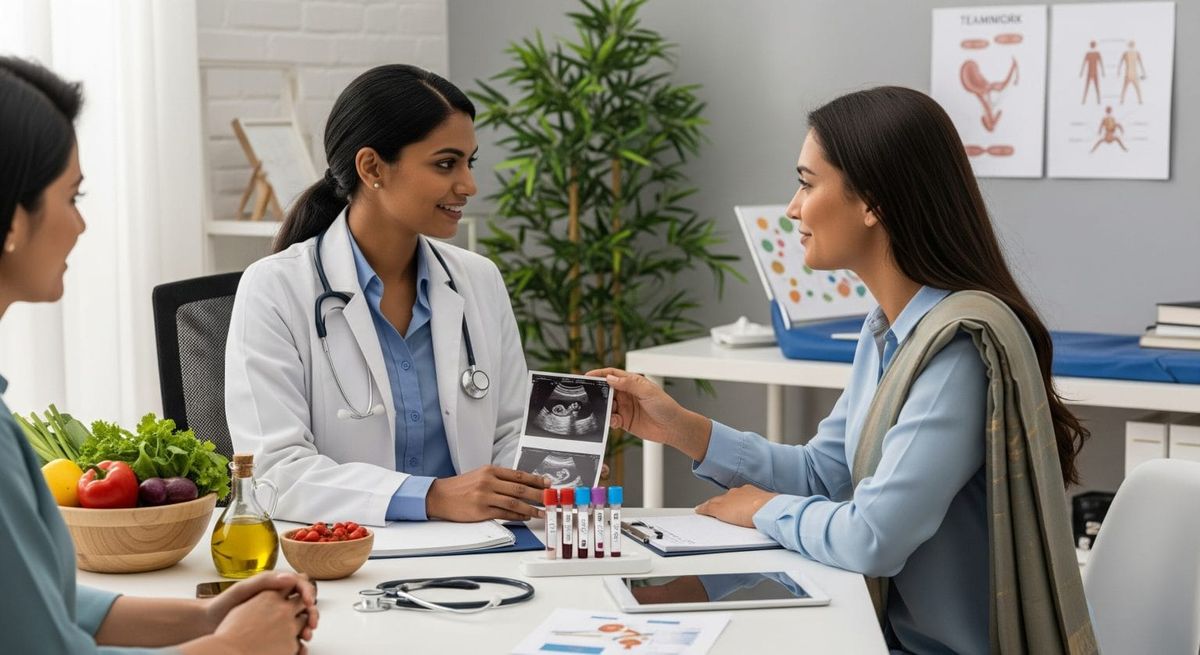
Managing PCOS effectively requires collaboration across multiple specialties. Gynaecologists specialising in PCOS form the clinical anchor, conducting precise history-taking, targeted pelvic examinations, and rational test panels including transvaginal ultrasound (TVS), serum androgens, LH, FSH, prolactin, TSH, fasting glucose, and lipid profiles. When selecting a PCOS doctor, prioritise those experienced with cycle regulation strategies and evidence-based contraception options.
Reproductive endocrinologists specialise in hormonal disorders with a fertility lens. PCOS accounts for 80% of anovulatory infertility cases, justifying early specialist involvement for those planning pregnancy. They design ovulation induction protocols, sequence medications, and determine when to escalate to assisted reproduction. Moolchand's Fertility and IVF services provide comprehensive fertility evaluation and treatment options tailored to PCOS patients.
Endocrinologists address the metabolic dimension of PCOS—insulin resistance, dyslipidaemia, hypertension, and weight management. They interpret OGTT results, calculate HOMA-IR, and individualise insulin sensitiser medications. Moolchand's Endocrinology department offers integrated care coordinating with dietitians and gynaecologists for holistic management.
Fertility specialists manage IUI and IVF cycles. For PCOS, the key skill is careful cycle control and avoiding ovarian hyperstimulation syndrome through mild stimulation protocols and luteal support. Dermatologists manage acne, hirsutism, and hair thinning through topical regimens, oral agents, and hair-preserving strategies—often the highest day-to-day burden for patients.
Selecting the Right PCOS Specialist
Systematic selection cuts through marketing noise. Look for clinicians with a PCOS-heavy caseload, clear diagnostic rationale avoiding scattergun testing, logical treatment sequencing (lifestyle first, then medications, then procedures), and willingness to share data with measurable goals. Test responsiveness through portal messages and plan updates. The right specialist welcomes prepared questions about diagnostic criteria (NIH vs. Rotterdam vs. AE-PCOS), first-line therapy failure protocols, insulin resistance measurement, pregnancy timeline goals, expected side effects, and tracked outcomes.
Red flags include one-size-fits-all diets without lab context, immediate pregnancy promises, dismissive attitudes toward lifestyle inputs or dermatological symptoms, and reluctance to share records.
PCOS and Pregnancy: A Coordinated Approach
Pre-Conception Planning
The pre-conception window is strategic. Stabilising cycles, optimising weight and insulin sensitivity, and addressing thyroid or prolactin issues prepare both ovulation and endometrial receptivity. A baseline panel should include HbA1c, OGTT, TSH, prolactin, vitamin D, ferritin, and rubella immunity. Simple cycle tracking through luteal progesterone or home LH monitoring guides therapy adjustments. Moolchand's Dietetics & Clinical Nutrition specialists create tailored nutrition plans optimising fertility outcomes.
Fertility Treatment Sequencing
Letrozole is a frequent first-line ovulation induction agent, with clomifene as an alternative depending on context. If oral agents are insufficient, monitored gonadotropins follow. Intrauterine insemination and IVF remain higher-control options when earlier steps stall. Careful dose titration and cycle monitoring are risk control measures and success multipliers—not bureaucracy.
Pregnancy Monitoring with PCOS
Once pregnant, monitoring widens to include blood pressure, weight gain, glucose screening, and thyroid checks. PCOS increases gestational diabetes risk, especially with pre-existing insulin resistance. Early OGTT and repeat screening in the second trimester protect the pregnancy. Aligned obstetric and endocrinological coordination simplifies management significantly.
Post-Pregnancy Management
After delivery, metabolic risk persists. A review at 6-12 weeks reassesses weight, glucose, and thyroid status. Breastfeeding plans, contraception, and mental health screening belong in the same conversation. Continuity with your PCOS specialist closes loops quickly and updates care plans efficiently.
PCOS Diet and Lifestyle Management
Anti-Inflammatory, Low-Glycaemic Approach
Effective PCOS diet plans emphasise minimally processed foods with anti-inflammatory properties: vegetables, berries, olive oil, legumes, and herbs following a Mediterranean-leaning template adjusted for glucose tolerance. Lower GI carbohydrates blunt glucose spikes and reduce insulin demand. Rotate steel-cut oats, quinoa, basmati rice in moderate portions, wholegrain breads, and legumes. The plate method remains essential: half vegetables, quarter protein, quarter smart carbs.
Protein and Healthy Fats
Protein supports satiety and glycaemic control. Aim for steady intake across meals: eggs, Greek yoghurt, paneer, fish, tofu, and lean poultry. Healthy fats aid hormone balance through extra virgin olive oil, nuts, seeds, avocado, and oily fish. Balance maintains consistency with weight goals. Limit refined carbohydrates, sugar-sweetened drinks, ultra-processed snacks, and frequent fried foods.
Sample Weekly Structure
- Breakfast: Greek yoghurt with berries and chia seeds, or eggs with tomatoes and herbs
- Lunch: Grilled chicken or tofu, mixed salad with olive oil dressing, small quinoa portion
- Dinner: Dal, sautéed greens, roasted vegetables, small basmati rice portion
- Snacks: Nuts, fruit with nut butter, hummus with carrots, or paneer cubes
Plan two flexible meals for social events—protecting sanity while maintaining consistency.
Evidence-Based Supplements and Natural Remedies
Supplement use should be targeted, not scattershot. Inositols (myo-inositol and D-chiro-inositol) may support ovulation regularity and insulin sensitivity, though ratios and doses matter considerably. Vitamin D deficiency is common and correctable through testing, treatment, and retesting. Omega-3 fatty acids support triglycerides and systemic inflammation. Spearmint tea offers mild anti-androgen effects for hirsutism, though results vary. Cinnamon supports post-prandial glucose control as an adjunctive therapy alongside diet and movement.
Exercise and Lifestyle Strategies
Exercise provides significant leverage. Combine resistance training (two to three sessions weekly), moderate cardio, and daily movement targeting 7,000-10,000 steps. Resistance training particularly supports insulin sensitivity and body composition. Progress through small weekly increases rather than heroic bursts.
Stress management influences appetite, sleep, and cycle regularity. Brief daily practices—breathing drills, short walks, work-hour boundaries—compound over time. Sleep quality changes glucose tolerance immediately. Standardise sleep windows, limit late-evening screens, and cool the bedroom. Screen for snoring or sleep apnoea, escalating to sleep studies when indicated.
Key Takeaways and Action Steps
A coherent plan beats intensity. Start by:
- Shortlist two to three PCOS-experienced specialists and book the fastest appointment
- Bring recent labs, medication lists, and clear goals to initial consultation
- Treat the first 90 days as a structured experiment, iterating based on response
- Establish measurable targets for hormones, weight, glucose, and symptom improvement
- Schedule reviews every 8-12 weeks initially, then 6-month intervals for stable cases
Frequently Asked Questions
Can I manage PCOS without medication? In mild cases, lifestyle changes produce meaningful improvements. Fertility cases typically require targeted medications. Evaluate response over 12 weeks, then adjust.
How often should I see my PCOS doctor? Initial follow-up every 8-12 weeks assesses early response. Stable cases shift to 6-month reviews. Annual comprehensive reviews remain useful, with earlier contact if fertility plans emerge.
Will PCOS affect pregnancy ability? PCOS delays ovulation but pregnancy is often achievable with support. Treatments range from oral agents to IVF. Early planning with specialists improves outcomes significantly.
What tests diagnose PCOS accurately? Diagnosis uses clinical features and selected tests: TVS, androgen levels, menstrual history, and exclusion of thyroid/prolactin disorders. Some clinicians add OGTT and lipid profiles. Choose doctors who explain each test's rationale.
Is PCOS treatment covered by insurance in India? Coverage varies by insurer and plan. Consult policy schedules for outpatient consultations, diagnostics, and fertility procedures. Many plans exclude elective fertility but cover labs and medications. Verify pre-authorisation in advance.
Can teenagers develop PCOS? Yes, adolescents can present with irregular cycles, acne, or hirsutism. Diagnosis requires careful judgment given normal pubertal variation. Early lifestyle support benefits all presentations.
Comprehensive PCOS Care at Moolchand Healthcare
Moolchand's Obstetrics & Gynaecology department offers integrated PCOS management combining gynaecological expertise with metabolic support. The Moolchand Women's Institute provides dedicated care for women's health conditions including Polycystic Ovary Syndrome.
For metabolic management, Moolchand's Endocrinology specialists coordinate insulin resistance assessment and management alongside the Diabetes Management Program for gestational diabetes prevention. Dietetics & Clinical Nutrition specialists create personalised nutrition plans aligned to individual PCOS presentations.
For fertility support, Moolchand Fertility and IVF services provide comprehensive evaluation through ovulation induction to advanced reproductive techniques.
Book your PCOS consultation today: Schedule an appointment or request an instant consultation with our specialists.
Disclaimer: This summary is educational in nature. Consult qualified healthcare professionals for personalised PCOS diagnosis and management. Individual treatment plans vary based on clinical presentation, test results, and personal goals. Moolchand Healthcare provides comprehensive, multi-disciplinary PCOS care combining gynaecology, endocrinology, nutrition, and fertility expertise.