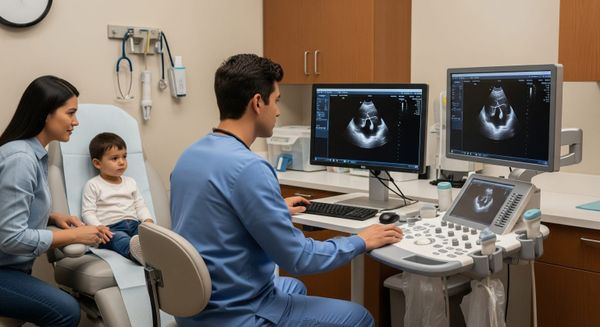
20 Weeks Pregnant: Key Symptoms, Baby Development & Ultrasound Guide

Mid-pregnancy is not a plateau—it is a rich period of change, both clinical and emotional. Week 20 marks the halfway point where symptom intensity shifts, fetal development accelerates, and the detailed anatomy scan provides crucial reassurance. This comprehensive guide covers week 20 pregnancy symptoms, baby development milestones, what to expect during your ultrasound, and practical health management strategies to support both mother and baby.
Common Pregnancy Symptoms at 20 Weeks
Feeling Baby's First Movements (Quickening)
By week 20, many mothers notice fluttering sensations or light taps—a phenomenon called quickening. These initial movements feel irregular and may be subtle, especially in first pregnancies. Sitting quietly after meals often helps recognise emerging patterns. Movement varies daily, which is entirely normal at this stage.
Movement characteristics:
- Light flutters resembling bubbles or soft taps
- Stronger turns often following meals or after consuming cold drinks
- An anterior placenta may cushion and reduce movement sensation
- Quiet spells can be normal; patterns establish gradually over weeks
This movement awareness signals a maturing nervous system and remains one of the most reassuring week 20 pregnancy symptoms mothers experience.
Round Ligament Pain and Abdominal Discomfort
Sharp, brief pains in the lower abdomen or groin often follow sudden position changes as ligaments stretch to accommodate the growing uterus. Gentle stretches, slower transitions, and support belts can reduce discomfort significantly.
Pain management strategies:
- Change positions slowly and deliberately
- Use a pregnancy support belt for pelvic stabilisation
- Stay well-hydrated throughout the day
- Maintain gentle daily mobility and stretching
- Apply heat packs for temporary relief
Growth acceleration at week 20 intensifies ligament strain, making this among the most common week 20 pregnancy symptoms requiring practical management.
Increased Energy Levels
Many experience a noticeable energy rebound during the second trimester. Iron stores, nutrition, and sleep quality directly influence this energy boost. Maintaining steady meals with adequate protein and iron supports sustained stamina.
Energy maintenance:
- Eat regular, balanced meals with protein sources
- Avoid dramatic schedule swings or overcommitment
- Prioritise consistent sleep despite changing sleep patterns
- This energy lift coexists with periodic fatigue—both are normal
This fluctuation is typical within week 20 pregnancy symptoms and responds well to structured nutrition and rest planning.
Breast Changes and Colostrum Production
Breasts often feel fuller and more sensitive. Some notice early colostrum—the dense, yellowish first milk—which is a normal preparation sign. Soft, supportive bras with breathable fabrics minimise irritation.
Breast care:
- Wear supportive, properly-fitted bras
- Choose breathable fabrics to reduce irritation
- Seek medical review for sudden, painful redness or warmth
- Sensitivity is typical; severe pain warrants assessment
These changes are among the visible week 20 pregnancy symptoms reflecting preparation for breastfeeding.
Skin Changes and Pregnancy Glow
Increased blood flow and oil production often create a brighter complexion. Darkening around the nipples and a vertical line (linea nigra) from navel to pubic bone are frequent. Daily SPF protects areas prone to pigmentation changes.
Skin management:
- Apply broad-spectrum sunscreen daily
- Use gentle, minimal skincare routines
- Avoid harsh active ingredients during pregnancy
- Mild acne is common and usually resolves post-pregnancy
These visible changes are characteristic week 20 pregnancy symptoms reflecting hormonal shifts and increased circulation.
Nasal Congestion and Nosebleeds
Hormonal shifts cause nasal swelling, leading to congestion or occasional light nosebleeds. Saline sprays and room humidification provide effective relief without medication.
Relief strategies:
- Use saline nasal sprays freely
- Run a humidifier, especially at night
- Avoid medicated decongestants unless specifically advised
- Gentle nose blowing prevents irritation
This week 20 pregnancy symptom often disrupts sleep but responds well to simple environmental adjustments.
Leg Cramps and Swelling
Night cramps and ankle puffiness become more common now. Hydration, calf stretches, short walks, and magnesium-rich foods support circulation. Ankle pumps before bed and elevated leg positioning aid comfort.
Swelling management:
- Stay well-hydrated throughout the day
- Wear supportive footwear with adequate toe room
- Perform calf stretches regularly
- Elevate legs after prolonged standing
- Gentle ankle pumps improve circulation
Important distinction: Persistent, one-sided swelling with pain requires urgent medical review and sits outside normal week 20 pregnancy symptoms.
Baby Development at Week 20
Size and Weight Milestones
At week 20, the baby is roughly banana-sized, weighing approximately 300 grams depending on individual variation. Growth from this point follows a steady, predictable curve rather than reaching a fixed target. Moolchand's detailed ultrasound services accurately track these growth patterns throughout pregnancy.
Growth acceleration at this stage intensifies many week 20 pregnancy symptoms including ligament strain and appetite changes.
Sensory Development Progress
Hearing refines as tiny ossicles (ear bones) harden. Light sensitivity begins, though eyelids remain closed. Taste buds exist and respond to flavours in amniotic fluid. These developing sensory pathways represent elegant, incremental neural development.
Sensory milestones:
- Hearing becomes increasingly sophisticated
- Light perception begins through closed eyelids
- Taste buds respond to amniotic fluid flavours
- Tactile sensation develops across the skin surface
This neural activity shapes movement patterns, contributing to the increasingly recognised quickening that characterises week 20 pregnancy symptoms.
Vital Organ Formation and Function
Most major organs are fully formed by mid-pregnancy. Lungs continue developing branching pathways essential for breathing. Heart chambers function with increasingly mature coordination. Liver and kidneys contribute to fluid balance and blood cell formation.
These developments underpin the confidence that detailed anatomy scans provide. The 20 weeks pregnant ultrasound comprehensively checks structural completeness, blood flow patterns, and proportional growth across all major organs.
Movement Patterns and Activity
Activity cycles emerge with short bursts alternating with restful pauses throughout the day. Noticing when movement tends to occur helps establish baseline patterns—essential information for monitoring later.
Movement awareness:
- Quiet spells are normal and common
- Activity cycles follow predictable patterns
- Patterns become more recognisable over coming weeks
- Variation in activity across days is completely normal
Understanding these patterns helps contextualise week 20 pregnancy symptoms related to movement sensation.
Gender Identification
External genitalia are typically visible by week 20, though clarity depends on fetal position and image quality. Moolchand's expert sonographers treat gender identification as provisional pending birth, avoiding overconfidence despite clear imaging.
Vernix Caseosa Formation
A creamy, protective coating called vernix begins covering fetal skin. This coating reduces friction during movement, safeguards developing tissue, and persists throughout pregnancy while gradually increasing. It represents subtle but important preparation for birth.
The 20 Weeks Pregnant Ultrasound: What to Expect
Comprehensive Anatomy Scan
The 20-week ultrasound is a detailed structural review, systematically surveying:
- Brain structures: Ventricles, cerebellum, and overall architecture
- Heart: All four chambers, valve function, and blood flow patterns
- Spine: Vertebral alignment and closure
- Face: Cleft palate assessment and nasal bone evaluation
- Limbs: Bone length and structural completeness
- Abdominal organs: Kidney placement and size, liver configuration, stomach visibility
- Umbilical cord: Vessel count and insertion site
- Overall proportions: Body symmetry and growth consistency
This systematic approach provides both reassurance and early identification of any variants requiring follow-up imaging.
Key Measurements During Scan
Sonographers record several standardised measurements:
|
Measurement |
What It
Indicates |
|
BPD/HC |
Head size and growth trajectory |
|
AC |
Abdominal circumference, nutrition and growth status |
|
FL |
Femur length, bone growth and proportionality |
|
EFW |
Estimated fetal weight based on composite measures |
These measurements sit within expected ranges. Interpretation depends on pattern over time rather than isolated values, reflecting the methodical nature of Moolchand's comprehensive prenatal care.
Placenta and Cord Assessment
The scan records placental location—anterior (front), posterior (back), fundal (top), or low-lying. Many low placentas naturally migrate upward as the uterus expands. Follow-up scans at 32-34 weeks verify this movement away from the cervix.
An anterior placenta placement can explain reduced kick sensation—an important context when discussing week 20 pregnancy symptoms related to movement.
Amniotic Fluid Evaluation
Fluid volume supports movement and fetal lung development. Sonographers estimate fluid using standardised indices. Values trend over time rather than reflecting point-in-time snapshots—trends guide clinical decisions more reliably than single measurements.
Hydration, general health, and adequate nutrition support normal fluid balance naturally.
Preparing for Your Ultrasound Appointment
Practical preparation:
- Arrive a few minutes early with any scan referral letters
- Wear comfortable, easy-to-remove clothing
- A moderately full bladder sometimes improves imaging
- Bring a list of specific concerns to discuss
- Ask for a brief summary before leaving
- Clarify follow-up steps if any views remain incomplete
This preparation reduces anxiety and clarifies questions about week 20 pregnancy symptoms or fetal development.
Health Management at 20 Weeks
Essential Prenatal Testing
Mid-pregnancy care typically includes:
- Blood pressure monitoring to screen for hypertension
- Urine testing for protein and glucose
- Mid-trimester screening where indicated
- Glucose tolerance testing (typically scheduled weeks 24-28)
- Symphysis-fundal height (SFH) measurement from this stage onwards
These checks align with week 20 pregnancy symptoms, providing a safety net around blood pressure changes, protein detection, and glucose metabolism shifts.
Nutrition Requirements
Second-trimester nutrition remains balanced and moderate, not excessive:
Key nutrients:
- Protein: Supports tissue growth and placental development
- Iron: Supports expanding blood volume and fetal needs
- Calcium & Vitamin D: Protect maternal and fetal bone health
- Fibre: Manages constipation common in pregnancy
Practical nutrition strategies:
- Pair iron sources with vitamin C for absorption
- Maintain high fibre intake through whole grains and vegetables
- Drink steady hydration throughout the day
- Eat regular meals to maintain energy
Moolchand's Dietetics & Clinical Nutrition specialists create personalised nutrition plans aligned to individual pregnancy needs and lab markers, supporting optimal growth and maternal health.
Weight gain varies by starting BMI. The principle remains steady, moderate increase rather than steep gains—an approach anchoring week 20 pregnancy symptoms to daily nutritional habits rather than occasional indulgences.
Safe Exercise Recommendations
Most benefit from regular, moderate activity:
Recommended activities:
- Walking (most accessible and sustained)
- Swimming (joint-friendly, low-impact)
- Prenatal yoga (flexibility and pelvic floor focus)
- Stationary cycling (safely seated, no fall risk)
Exercise principles:
- Frequent, shorter sessions if fatigue rises
- Core and pelvic floor work using proper technique
- Avoid contact sports and high fall-risk activities
- Intensity moderation over aggressive training
Exercise often eases week 20 pregnancy symptoms like backache and leg cramps while supporting sleep quality.
Warning Signs Requiring Urgent Assessment
Certain symptoms lie beyond typical week 20 pregnancy symptoms and demand prompt medical review:
- Bright red vaginal bleeding or fluid leakage
- Severe or one-sided abdominal pain
- Persistent headache with vision changes or facial swelling
- Markedly reduced movement after patterns establish
- Shortness of breath at rest or chest pain
Low threshold for seeking assessment is appropriate for any concerning changes.
Sleep Position and Rest Guidelines
Side sleeping is generally recommended from mid-pregnancy onward. Left-side positioning is often preferred, though comfort and rotation matter most. A pillow between the knees eases hip strain.
Sleep support:
- Side-lying with knee support reduces strain
- Waking on back requires no alarm—simply roll to the side
- Goal is gradual habit development, not impossible perfection
- This guidance addresses week 20 pregnancy symptoms like heartburn and congestion disrupting rest
Comprehensive Prenatal Care at Moolchand Healthcare
Moolchand's Mother's Nest programme provides integrated care during this critical week 20 transition, combining expert ultrasound imaging, nutritional guidance, and ongoing clinical monitoring. Moolchand's Obstetrics & Gynaecology department coordinates all aspects of mid-pregnancy care.
Comprehensive week 20 care includes:
- Expert anatomy scan interpretation and discussion
- Individualised symptom management guidance
- Nutrition planning with Dietetics specialists
- Ongoing prenatal monitoring and risk assessment
- Clear communication and follow-up scheduling
Start or continue your prenatal care:
- Schedule your 20-week ultrasound
- Request instant online consultation for symptom questions
- Contact us for comprehensive prenatal support
Key Takeaways
Week 20 is not an intermission—it is a critical junction where growth acceleration, detailed structural confirmation, and daily symptom management intersect. Normal week 20 pregnancy symptoms include movement awareness, ligament strain, nasal congestion, leg cramps, and variable sleep. None exist in isolation; they signal a body adapting on schedule.
The 20-week ultrasound provides careful structural review, confirming development and identifying any areas needing follow-up. Preparation and clear questions make this appointment constructive. Food, movement, and rest carry equal weight now. Small, consistent actions outpace dramatic overhauls.
Balance two essential ideas: most findings are reassuring, yet vigilance matters. This balance is the work of the second trimester, supporting a smoother, safer third trimester ahead.
Frequently Asked Questions
Is it normal not to feel baby movements at 20 weeks? Yes, especially in first pregnancies or with anterior placenta. Movements remain subtle until patterns mature. Variation is expected. If movement has been present and drops markedly, seek advice.
What position should the baby be in at 20 weeks? Any position is acceptable. Babies flip frequently at this stage. Position guidance matters later in pregnancy. The 20-week ultrasound records position but does not target correction now.
Can the 20-week ultrasound be wrong about gender? Accuracy is high with clear views, though position, cord placement, and obscured images can occasionally mislead. Gender identification is treated as provisional pending birth to avoid overconfidence.
How much weight gain is normal by week 20? Ranges depend on starting BMI and individual clinical guidance. Steady, moderate patterns are preferred. Advice aligns with nutrition quality and overall energy rather than specific numbers.
What are emergency symptoms at 20 weeks? Severe abdominal pain, bright bleeding, fluid leakage, persistent headache with vision changes, chest pain, and marked movement reduction after patterns establish require urgent care. Low threshold for assessment is appropriate.
Is mild cramping normal at 20 weeks? Yes. Mild, brief cramps often relate to ligament stretch or bowel changes. Rest, hydration, and gentle stretching help. Severe, regular, or persistent cramps with bleeding require assessment.
Disclaimer: This guide is educational. Consult qualified healthcare professionals for personalised pregnancy care, symptom evaluation, and ultrasound interpretation. Individual pregnancy presentations vary. Moolchand Healthcare provides expert prenatal care with detailed imaging, symptom guidance, and comprehensive support throughout pregnancy.