20 Weeks Pregnant: Baby Size, Belly Growth and Common Symptoms Explained

Conventional wisdom says the halfway point is when everything finally settles. In practice, 20 weeks introduces a distinct mix of reassurance and new signals. At this pivotal midpoint of pregnancy, understanding the typical 20 weeks pregnant symptoms, what the anatomy scan covers, and how your baby is developing provides essential clarity. The goal is practical understanding and evidence-based insight, so you can interpret pregnancy symptoms at 20 weeks with confidence and appropriate context.
Common Symptoms at 20 Weeks Pregnant
At this stage, a consistent cluster of 20 weeks pregnant symptoms appears. Some feel lighter than the first trimester challenges; others are newly noticeable because growth has accelerated significantly. Here is how these patterns typically present and how they can be managed effectively.
Round Ligament Pain
Sharp twinges low in the abdomen or into the groin are common around now. The ligaments supporting the uterus stretch and can spasm with sudden movement. This sensation sits squarely within expected 20 weeks pregnant symptoms for many people. Treatment focuses on benign management unless pain is severe or paired with bleeding. Slow positional changes help considerably. Gentle hip flexor stretches and a light support belt provide relief. Position changes, especially when coughing or sneezing, prevent sharp twinges.
Increased Energy Levels
Energy often improves compared with early weeks. This improvement can be sustained through eating balanced meals, prioritising protein at breakfast, and maintaining steady hydration. Short walks or prenatal yoga stabilise mood and reduce fatigue. Good sleep hygiene—a cool, dark room and consistent wind-down routine—helps more than any supplement. For some, this upswing is subtle; for others, it is noticeably dramatic.
Moolchand's Obstetrics & Gynaecology specialists can provide guidance on managing energy levels, safe exercise, and activity during the second trimester to optimise wellbeing.
Back Pain and Discomfort
Backache tends to creep in as posture shifts with the growing belly. Between 50 and 80 percent of pregnant women report back pain by mid to late pregnancy. Management prioritises pelvic tilts, glute strength, and neutral standing alignment. Heat in the evening, a warm shower, and a pillow between the knees at night usually bring relief. Back pain is a frequent entry in the list of 20 weeks pregnant symptoms and warrants attention to posture and body mechanics.
Braxton Hicks Contractions
Practice tightenings can start now, representing the uterus exercising before labour. They feel like a firming or mild cramp that eases with rest or hydration. Crucially, they are irregular and do not become progressively stronger. Changing position, drinking water, and waiting a few minutes usually resolves them. True labour builds, becomes rhythmic, and does not fade. At 20 weeks these tightenings are training, not a trigger for immediate action.
Skin Changes and Stretch Marks
Skin often becomes drier or more reactive as hormones shift. Stretch marks may begin to appear on the abdomen or breasts. While no topical fully prevents striae, steady weight gain and gentle massage can soften skin feel. Moisturiser reduces itch, and mineral sunscreen helps with pigmentation changes. These surface changes may feel cosmetic, yet they carry emotional weight. Understanding them as normal helps manage this aspect of 20 weeks pregnant symptoms.
Nasal Congestion
Pregnancy rhinitis is common at this stage. The nasal lining becomes more vascular and swollen, producing stuffiness without other cold symptoms. Management includes saline spray, a humidifier, and elevating the head slightly at night. Warm showers ease morning congestion. This sits among 20 weeks pregnant symptoms that are annoying rather than alarming.
Leg Cramps
Night-time calf cramps tend to appear in the second half of pregnancy. Stretching calves before bed and hydrating steadily through the day helps considerably. A short ankle pump routine right before sleep can prevent cramping. If cramps are persistent, reviewing mineral intake with a midwife is worthwhile. For many, this is one of the more disruptive 20 weeks pregnant symptoms.
Heartburn and Indigestion
Acid reflux becomes more likely as the uterus rises and compresses the stomach. Smaller, earlier dinners, avoiding trigger foods, and staying upright after eating reduce flares. Raising the head of the bed slightly helps. Milk or yoghurt can soothe when symptoms spike. This is a classic among 20 weeks pregnant symptoms and may intensify later in pregnancy.
Moolchand's Dietetics & Clinical Nutrition specialists provide personalised nutritional guidance to manage heartburn, maintain healthy weight gain, and support overall pregnancy nutrition at the 20-week milestone.
Your Baby's Development at 20 Weeks
The midpoint offers clear developmental landmarks worth understanding. Focus on size, sensory maturation, and movement patterns provides context for this exciting milestone.
Baby Size Comparison
Most guides compare baby size at 20 weeks to a banana. The estimate is roughly 300-312 grams in weight with length measuring approximately 25 centimeters head to heel. That image is easy to picture and helps parents understand the remarkable growth achieved. Growth is not uniform across all babies, so being a little larger or smaller is entirely typical.
Weight and Length Measurements
Average length sits near 25 centimeters head to heel at this point, with weight close to 300 grams. Ultrasound measurements can fluctuate based on fetal position and technician angle. A single measurement represents a point in a trend, not a verdict. Consistent growth across visits matters considerably more than a one-off number.
Sensory Development Milestones
The nervous system is wiring quickly at 20 weeks. Basic responses to sound begin, and taste receptors are forming. Flavours in amniotic fluid vary with maternal diet, which is fascinating and practical—essentially early taste exposure training. This subtle but meaningful development shapes future feeding preferences and food tolerance.
Movement Patterns
First flutters often become clearer by this point. Patterns typically tie to meals, rest, and time of day. Movement can quiet during maternal activity and kick up during stillness. Some days feel busier than others. That variability is typical at this stage and not concerning.
Organ Development Progress
The digestive tract practices swallowing. The lungs continue branching toward future breathing capacity. The heart rhythm is well established, and the kidneys are actively producing urine. None of this feels dramatic on the outside, yet each function inches toward readiness. These small steps represent real progress toward viability.
20-Week Anatomy Scan and Medical Assessment
The mid-trimester scan is comprehensive and informative. Formally called the 20-week anatomy scan, timing usually falls between 18 and 22 weeks. The scope is structural, examining body systems rather than just a quick look.
What Happens During the Scan
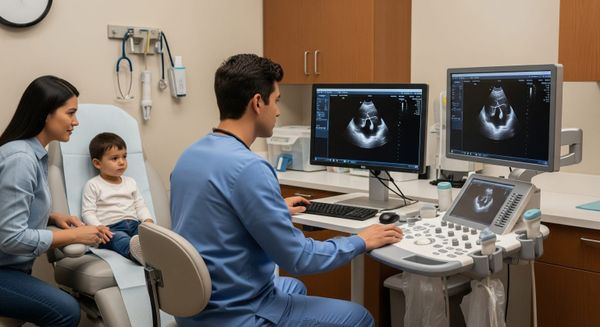
Preparation involves arriving with a comfortably full bladder unless instructed otherwise. The sonographer moves systematically from head to heel. Expect brief pauses for measurements and still images. The scan can take considerable time if the baby is active or curled. A second attempt or a short walk may help reposition the baby for better views.
Moolchand's comprehensive 20-week anatomy scan services provide expert ultrasound assessment, detailed measurements, and thorough structural evaluation using advanced imaging technology.
Key Measurements Taken
|
Measurement |
What It
Indicates |
|
Biparietal diameter |
Head width to estimate gestational age and proportionality |
|
Head and abdominal
circumference |
Growth trends, symmetry, and nutritional status indicators |
|
Femur length |
Long bone growth and general size assessment |
|
Cerebellum and ventricles |
Brain structure screening for potential anomalies |
|
Four-chamber heart view |
Cardiac structure and rhythm review |
|
Placenta and cord |
Placental position, cord vessel count, and insertion
assessment |
|
Amniotic fluid index |
Fluid volume adequacy and growth trends |
These data points build a coherent picture of fetal development. A single borderline value is usually rechecked before any conclusion is drawn.
Gender Determination
Sex can often be identified at this scan if the view is clear. This finding should be treated as probabilistic, not absolute. Fetal position, cord loops, and limb placement can obscure anatomy. If determination matters for planning, confirmation at a later scan or with prior screening results ensures accuracy.
Potential Findings and Follow-Up
Most reports are reassuring. Occasionally, soft markers or variants appear that require follow-up. Examples include marginal placenta position, an isolated choroid plexus cyst, or a small renal pelvis. Each has clinical context. The recommendation may be a repeat 20-week anatomy scan or targeted follow-up with maternal-fetal medicine specialists.
When repeat imaging is advised, booking promptly and avoiding speculation between appointments helps manage anxiety. If screening or diagnostic tests are offered, asking three key questions helps: what decision will this inform, what are the risks, and when will results arrive. Clear next steps reduce anxiety and keep care purposeful.
Managing Your Changing Body at 20 Weeks
At the halfway point, physical changes accelerate significantly. Focus on practical adjustments that preserve comfort and keep routine exercise possible. Many adjustments also soften 20 weeks pregnant symptoms before they escalate.
Belly Growth Expectations
The uterus typically reaches the level of the navel around 20 weeks. The belly feels noticeably firmer and higher. Growth spurts can feel sudden for a week or two, then slow. Clothing and sleep setup usually need adjustments. It is normal to feel stretched and strong on the same day. This visible midpoint growth is a milestone worth celebrating.
Weight Gain Guidelines
Targets vary by starting BMI and individual clinical advice. Roughly speaking, the midpoint is where steady, moderate gain becomes visible. Focus on nutrient density rather than chasing a weekly number. Quality nutrition comes first; steady quantity follows naturally.
Moolchand's Mother's Nest programme provides integrated pregnancy support including nutrition guidance, wellness strategies, and comprehensive care coordination at the 20-week milestone.
Exercise Recommendations
Unless advised otherwise, a balanced routine serves well: brisk walking, prenatal strength training twice weekly, and mobility work daily. Rate of perceived exertion (RPE), not pace, guides intensity. Avoid supine core work for extended periods; swap to side planks and bird dog exercises instead. The aim is function and circulation, not maximal output. This balanced approach also reduces several 20 weeks pregnant symptoms.
Nutrition Requirements
Anchor meals on protein, vegetables, whole grains, and healthy fats. Iron and iodine remain important for fetal development and maternal health. Hydration supports energy and digestion. Small snacks reduce heartburn risk and stabilise blood sugar. This steady fuel approach supports steady fetal growth.
Sleep Position Adjustments
From mid-pregnancy onwards, side sleeping is favoured, usually left side for comfort and optimal placental perfusion. A pillow between knees and another supporting the bump prevents hip strain and improves sleep quality. If waking on the back, rolling to the side and continuing sleep is sufficient. Perfection is not required; consistency provides benefits.
Maternity Clothing Needs
Shift to breathable fabrics, soft waistbands, and layers accommodating temperature swings. A well-fitted non-wired bra supports rib cage changes effectively. Support leggings or a belly band can ease lower back load. Practical comfort preserves energy for the rest of the day and supports overall wellbeing.
Antenatal Classes and Preparation
This midpoint is ideal for reviewing habits that reduce 20 weeks pregnant symptoms, confirming the anatomy scan plan, and refining the calendar for antenatal classes. Moolchand's comprehensive pregnancy programmes include antenatal education, birth preparation classes, and parenting support.
Some days bring sharp round ligament twinges; some bring calm. Both fit the arc of pregnancy. The skill is measured response rather than constant vigilance.
Frequently Asked Questions
Is it normal not to feel baby movements at 20 weeks? Yes, especially with an anterior placenta or first pregnancy. Movements can be subtle and irregular. Track patterns over weeks rather than hours. If reduced movements occur later, contact triage according to local guidance. Perception varies widely at this stage; variability still fits within typical 20 weeks pregnant symptoms.
How much weight should I have gained by 20 weeks? Ranges depend on starting BMI and clinical recommendations. Many see modest, steady gain by now. Focus on nutrition quality, hydration, and activity rather than numbers. A single weigh-in is less meaningful than overall trend. Discuss personalized targets at routine appointments.
Can I sleep on my back at 20 weeks pregnant? Side sleeping is generally advised from mid-pregnancy. Brief periods on the back are usually fine if comfortable. If waking on the back, roll to the side and continue sleeping. Pillows supporting hips and abdomen improve comfort and reduce back strain, also helping several 20 weeks pregnant symptoms.
What size is my uterus at 20 weeks? Fundal height typically reaches around the level of the navel. Exact centimeters vary by body, baby position, and measurement technique. The key is consistent growth across visits. If measurement deviates, a repeat check or scan may be arranged to confirm normal progress.
Should I be showing at 20 weeks with my first pregnancy? Often yes, but real variation exists. Torso length, muscle tone, and fetal position all influence appearance. Consider how clothing fits and how the bump feels rather than a specific size. Showing later can still be entirely normal and remains within expected 20 weeks pregnant symptoms and changes.
What foods should I avoid at 20 weeks pregnant? The standard safety list applies: unpasteurized dairy, high mercury fish, undercooked meats, and refrigerated deli meats unless heated thoroughly. Watch caffeine limits and reheat leftovers properly. Balanced meals and regular snacks help manage heartburn and support nutrition.
Schedule Your 20-Week Appointment and Anatomy Scan
Ready for your 20-week anatomy scan and comprehensive pregnancy assessment?
- Book your 20-week scan appointment with our ultrasound and obstetrics team
- Request instant consultation for questions about 20-week symptoms and development
- Contact our pregnancy care team for information about antenatal programmers and support services
Medical Disclaimer: This guide is educational and based on clinical expertise. Individual pregnancy presentations vary significantly. Always consult qualified healthcare professionals for personalized assessment, 20 weeks pregnant symptom evaluation, and individualized management. Moolchand Healthcare provides comprehensive pregnancy care with expert anatomy scan services, prenatal assessment, and support throughout your second trimester and beyond.